Walking School Bus
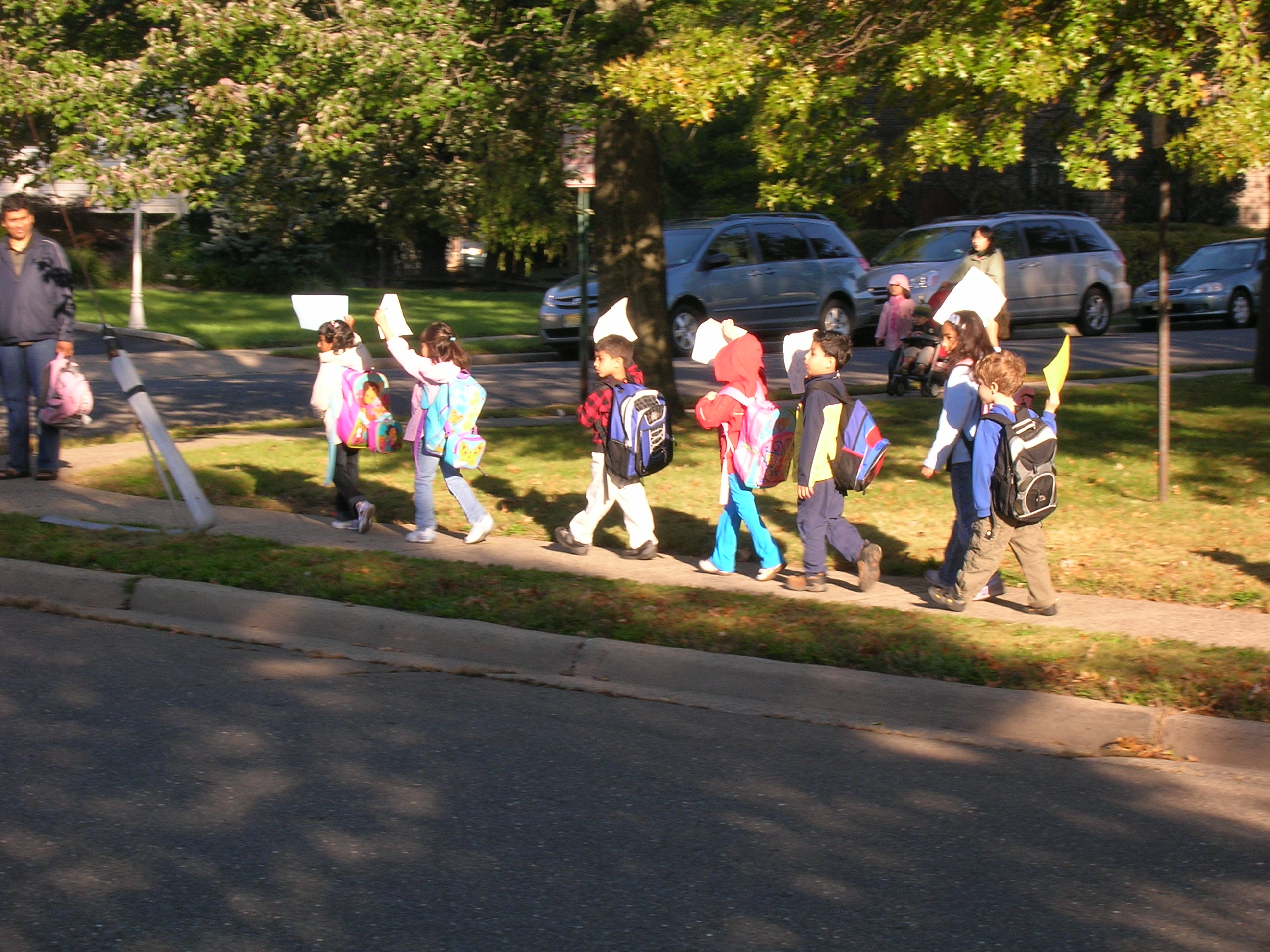
A walking school bus combines safety, fun, and fitness while walking to school! A walking school bus consists of a group of children walking to school with one or more adults, usually picking up more children at predetermined stops along the route. Walking school buses can be:
- Two or three families taking turns walking their children to school
- A planned route with meeting points, a time table and a schedule of trained adult volunteers
- Once a week, month, on special days or everyday
What are the Benefits of a Walking School Bus?
Students and Children:
- Have fun
- Learn pedestrian safety with adult guidance and supervision
- Engage in physical activity
- Foster healthy habits that could last a lifetime
- Explore their neighborhoods
- Socialize and meet new friends
- Gain independence
- Arrive at school ready to learn
Parents and Volunteers:
- Spend more time with their children
- Meet and socialize with other families
- Address concerns about their children walking to school
- Save gas by leaving the car at home
Schools and Communities:
- Reduce traffic congestion near and around schools within the community
- Address busing reductions or eliminations for students
- Decrease air pollution resulting from fewer gas emissions
- Have students arrive on time and ready to learn
How are Walking School Bus Routes Determined?
Route selection will be influenced by:
- Routes that are safe
- Walking conditions that are good (i.e. sidewalks are present)
- Street crossings that are safe
- Behavior of motorists
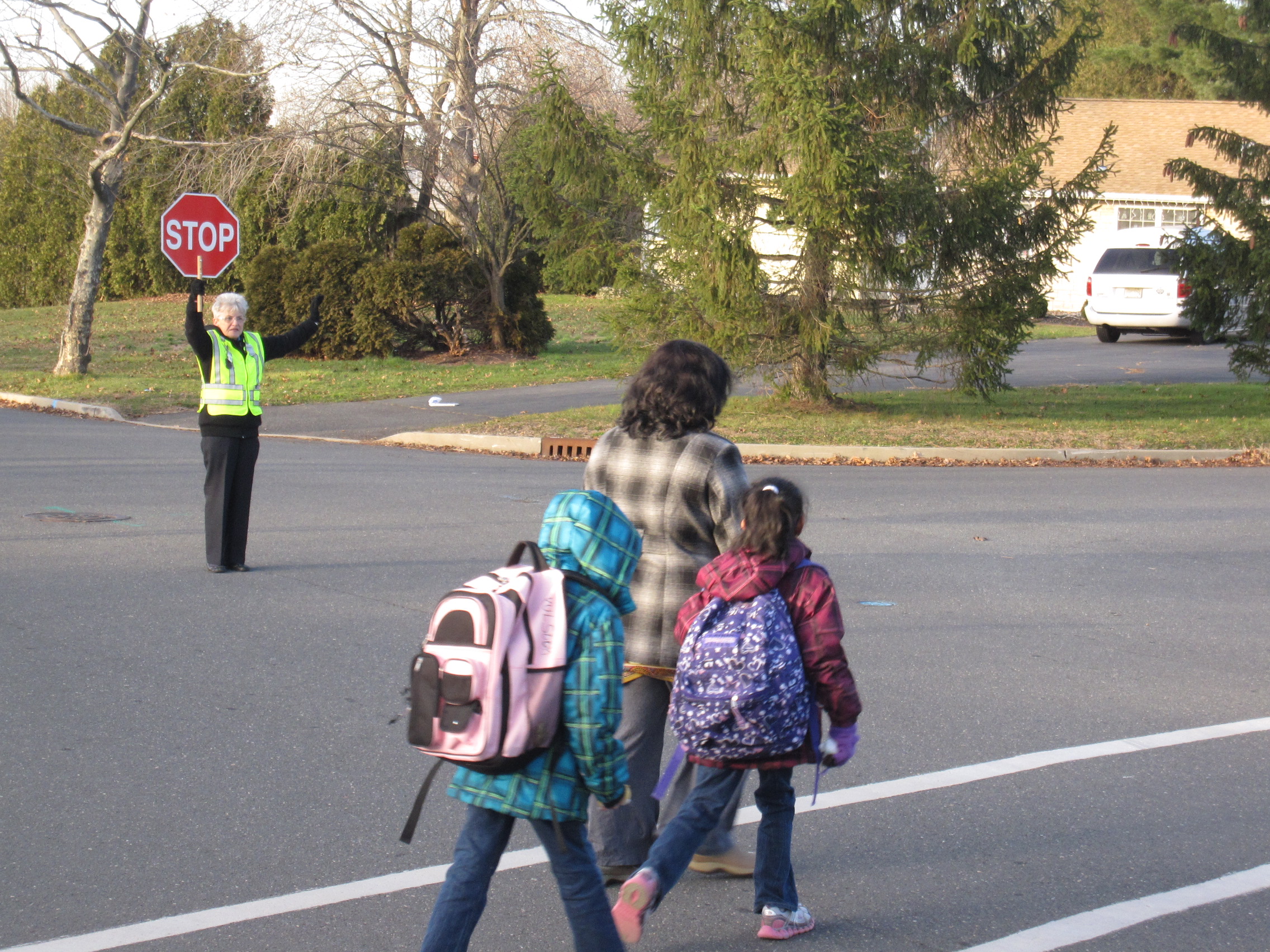
- Location of crossing guards
Conduct a walk ability audit and note the following:
- Is there room to walk?
- Is it easy to cross the street?
- Did the drivers behave well? Did drivers slow down?
- Was the walk pleasant?
Print out the Walk Assessment Checklist which can help you assess the walking school bus route and determine the next steps.
Is It Easy to Start a Walking School Bus?
Start a walking school bus today! Identify key people and willing partners (school leaders, principal, PTOs, parents, police) to help with the planning.
Considerations for a successful walking school bus include:
- Achievable — how often, how soon?
- Manageable — size of school, number of routes, number of participants
- Contactable — can you reach parents, teachers, principals, students?
- Recruitable — can you get volunteers? how many are available?
- Walkable — are there sidewalks, crosswalks, crossing guards, traffic signals, etc?
If you are interested in planning a walking school bus, here are details on how to get one going in your community.
You can also contact your SRTS Regional Coordinator for assistance in starting a walking school bus.