
This article has been written by guest writer, Abdullah Elzawawy, Senior at River Dell High School in Oradell, NJ. Many of you may recognize his name from his previous article “How a YouTube Rabbit Hole Led Me to Fight for Safer Streets in My Community,” where he wrote about discovering his urban planning passion by accident. Since then, Abdullah has pursued an internship position at VTC, and prepared this article about the role of high school students in Safe Routes to School Programs and Projects.
Thank you, Abdullah, for sharing your opinion and insights.
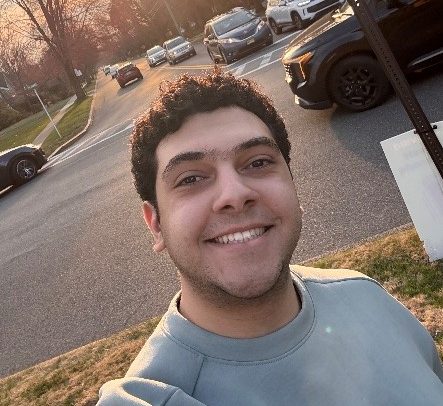
Safe Routes to School’s Traffic Stop
The ignition roars as I start my car’s engine, rumbling as I haul myself and my backpack to school each day. During the morning rush, cars pile up throughout our town’s notorious 5th avenue, slowing down the pace of traffic, and leaving commuters noticeably frustrated as they impatiently honk at each other. Sitting in traffic, late to school, I can only contemplate America’s car-centric culture; does getting to and from school really have to look like this? Programs like Safe Routes to School (SRTS) aim to answer that question.
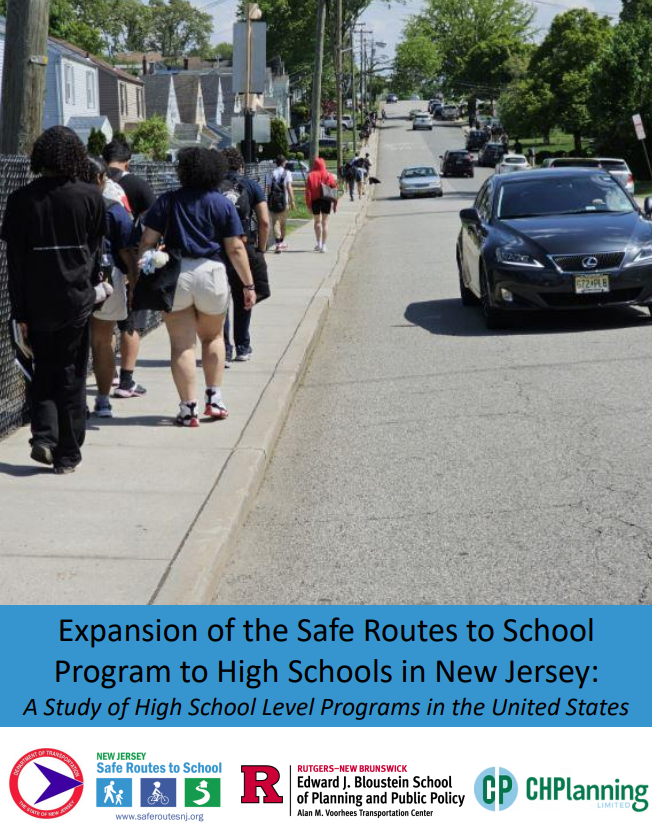
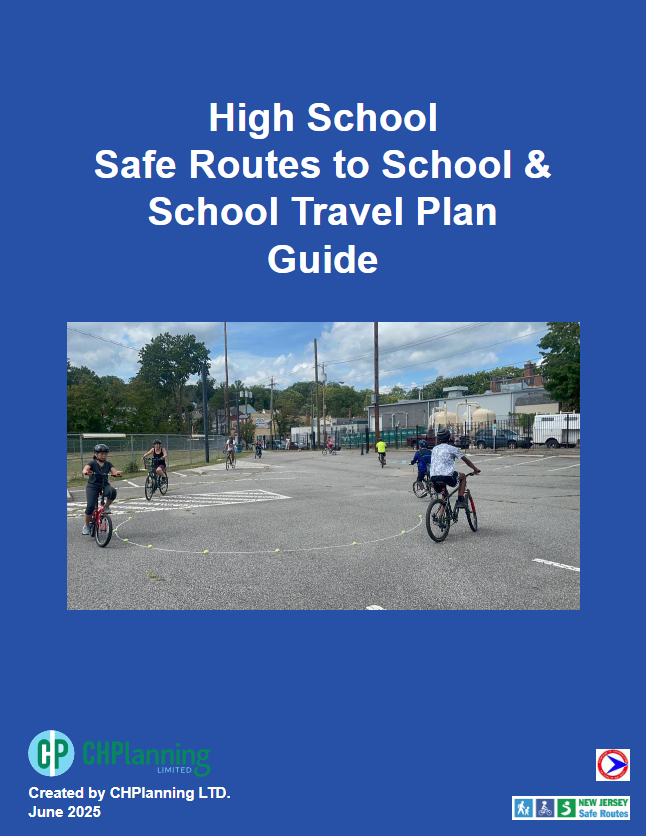
Traditionally focusing on elementary and middle schools, SRTS promises the mission to partner with schools and communities to prioritize and implement opportunities for people to walk, bike, or travel by other wheeled devices. SRTS is now exploring ways to expand into high schools and to actively engage high school students. Two new reports by the NJ Safe Routes Research Center have been published highlighting SRTS’ efforts in high school expansion. The first report, “Expansion of the Safe Routes to School Program to High Schools in New Jersey: A Study of High School Level Programs in the United States,” examines how existing programs across America have begun incorporating high schoolers; from student activities to general education and curriculum. The second report, “High School Safe Routes to School & School Travel Plan Guide” serves more as a practical toolkit offering schools applicable strategies for launching and sustaining Safe Routes programs in high schools.
As a high schooler who cannot stand waiting at a traffic light any longer as a driver, it is my duty to critique and highlight what SRTS gets right about my generation. From what I have read from these two reports, the concept behind SRTS expansion into high schools makes perfect sense; high school students have a far greater ability to understand transportation challenges and the program aims would definitely resonate. However, many current SRTS programs fall short in addressing the ambition many high school students have regarding transportation. Although we may benefit from collaboration, SRTS must work with high schools in a way that values the unique ambition for change many students have and allow them to work in the thick of SRTS, including the good, bad and the ugly, from basic education to the nuance of funding issues.
High Schools are the Perfect Hub for SRTS
Firstly, it is crucial to mention the clear benefits of integrating SRTS into high schools, both for the program itself and for the students alike. High schools function as small hubs of activity; clubs, events, and classes present opportunities to help showcase SRTS to local populations, while delegating a great deal of responsibility to the respective staff, teachers, students, and even PTO members. Because high schools act as multi-faceted hubs for a community, they provide the ideal environment for spreading SRTS’ word, and the expansion report specifically suggests “leveraging existing high school…clubs such as environmental and science clubs, youth advisory councils, [and] honors societies” as a way to build momentum without starting from scratch (NJ SRTS Expansion Report, Engagement Strategies). These kinds of spaces give students a natural entry point into transportation advocacy while also helping SRTS spread into the broader community. The reports also highlight how students can take on meaningful roles beyond just learning about safety. In one example, students “participate in data collection activities such as safety studies and mapping activities,” and one program even partners with a local university where students “become citizen scientists” by documenting and analyzing conditions for walking and biking, which would all be great for students trying garner the activities necessary to stand out for colleges (NJ SRTS Expansion Report, Student Activities). That kind of partnership allows students to collaborate with real researchers and gives their work a sense of legitimacy that goes beyond a typical volunteering role. The High School Guide offers similarly engaging examples, including a project where “Students at Firrhill High School in Edinburgh, Scotland made a zine…to educate their peers on cycling safety and resources,” showing how students can communicate safety in ways that actually resonate with other students (High School SRTS Guide, Student Engagement Examples). These kinds of projects work because they allow students to take ownership of the message instead of just receiving it. The reports even suggest that Safe Routes to School programs can fit naturally into existing school structures, meaning that SRTS doesn’t have to compete for attention so much as embed itself into places where students already are.

River Dell students signing up for clubs during club day.
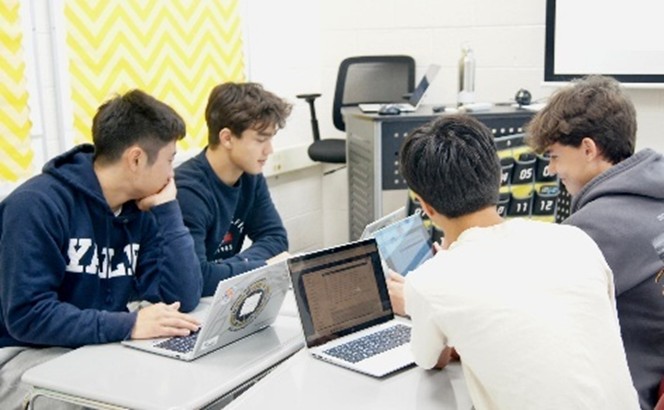
River Dell's AP CSP class.
The classes that can relate to SRTS are extensive as well. Examples include Driver’s Ed courses talking about safe bicycling and interacting with bicyclists as a driver, a Physical Education course focused on pedestrian safety, an AP Computer Science Principles or Statistics class analyzing traffic data, or even an AP Government or Sociology class delving into the policy aspects of safer streets. Altogether, the vision is compelling: high school students conducting research, partnering with universities, leading clubs, and even creating their own safety campaigns. These two reports accurately describe the “shooting fish in a barrel” opportunities with high schools. The problem is that most of those opportunities still exist only in theory. High school students are often looking for ways to make a visible impact, and if Safe Routes to School wants to flourish at the high school level, it needs to be easier for students to turn these promising ideas into real changes they can actually see in their communities.
“Ambition” Needs More Than Just “Ideas”
Safe Routes to School should pitch itself to the busy yet ambitious minds of high schoolers almost like they are being featured on Shark Tank, because while the idea is rooted in good nature, students still need to be convinced that getting involved is worth their time. One place where the reports feel less concrete from a high schooler’s perspective is in the discussion of funding. The expansion report openly acknowledges that “a major barrier is funding restrictions, with many states still working on expanding SRTS funding to the high school level,” and notes recurring challenges in “securing sustainable funding” for programs (NJ SRTS Expansion Report, Challenges and Barriers, p. 23). When looking at the funding tables, this becomes even more obvious; most programs are supported primarily through grants and federal funding sources like TAP or state DOT programs, often on limited cycles, rather than stable local funding (NJ SRTS Expansion Report, Funding Sources, pp. 5–8). For a high school student, that is not inherently reassuring. High schoolers are busy, but more importantly, they are ambitious, and the reports tend to emphasize time constraints and extracurricular conflicts without really explaining how to win students over. Treating high schoolers like middle schoolers will not work; speaking as one, we are not just looking to participate for the sake of volunteering, we want to make a lasting difference that can help define us. High school involvement is also both metaphorically and literally transactional; just like a PhD student looks for their institution to fund the research necessary for their dissertation, a high school student would look at SRTS for adequate support to actually follow through the lessons and make a change. The reports do describe students helping with “data collection activities such as safety studies and mapping activities” or attending meetings with transportation partners (NJ SRTS Expansion Report, Student Activities, p. 11), but they are not thorough in explaining how those activities lead to real change. Students want to be doers, not just thinkers, and programs should treat them more like researchers working toward a goal than passive participants. This becomes especially important when funding is involved, because even small projects can get bogged down in processes that students have little control over.
My Experience with Local Government
In my own experience working with local officials, council members often love the idea of safer streets until the conversation turns to money, and then the enthusiasm fades quickly. I do not necessarily blame them; most NJ towns are already juggling, many issues including state quotas for investments like affordable housing, so money is tight. Grants can help, but they often come with their own requirements and layers of work that make simple improvements feel complicated. For me, a simple call to a rubber-company about installing a modular roundabout at a dangerous intersection in my community turned into months of bureaucratic delays; new departments forming, irregular meetings, and little enthusiasm for bringing solutions to county executives. The result is a disconnect between the promise of Safe Routes to School and the reality students encounter when they try to make changes.
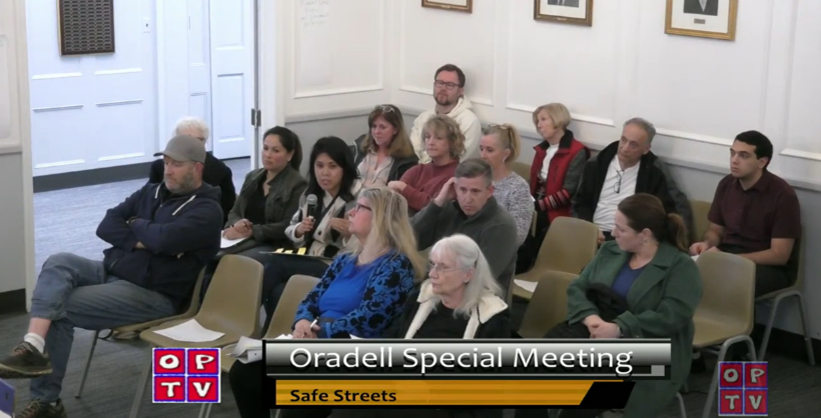
What grabs my attention as a high schooler are clubs with visible opportunities; Key Club and American Student Government Association are two prime examples of nationally recognized clubs that follow through their promise to high schoolers in creating a tangible, college-ready experience that can set them apart through admissions. These two clubs rely heavily on funding and sponsorships to maintain their programs. If SRTS programs can’t address funding follow through, it could create a false pretense of community engagement leading students to believe the change they are advocating for is imminent, when in reality, improvement might be years away. My point here is not to derail the idea of engaging high schoolers; in fact, the reports are right that high school students could become a powerful part of SRTS, but they can only do so when focusing on what will make that engagement meaningful. There is still a lot of potential here, but tapping into those abilities requires Safe Routes to School programs to lean into the innovative ambition and relatability of high school students and give them real opportunities to create change, on a local level forward.
That raises a bigger question: what would engaging high school students in an effective way actually look like? See Part 2 Next Month for some ideas.