
Crossing guards are integral to the safety of children who walk and bike to school. The presence of crossing guards is often a deciding factor in whether parents let their children walk or bike to school, as they protect students against speeding and distracted driving and help them navigate heavy traffic. Beyond safety, crossing guards represent a consistent community presence and can help bring peace of mind not only to parents, but to other community members as well.
However, despite their critical role, municipalities face significant challenges when it comes to recruiting and retaining crossing guards. Because the job is typically part‑time and seasonal, it may be less appealing to prospective applicants. The work can also be physically demanding, requires early start times, and involves dealing with unpredictable traffic conditions, all factors that can discourage individuals from applying or staying long-term. As a result, communities nationwide are experiencing crossing guard shortages. Additionally, crossing guards report facing frequent disrespect on the job. Older students ignore directions, adults dismiss them, and impatient drivers engage in unsafe behaviors that endanger both guards and children. Even parents and school staff sometimes contribute to these challenges. Ultimately, poor behavior from the public makes it harder for crossing guards to protect students and themselves.
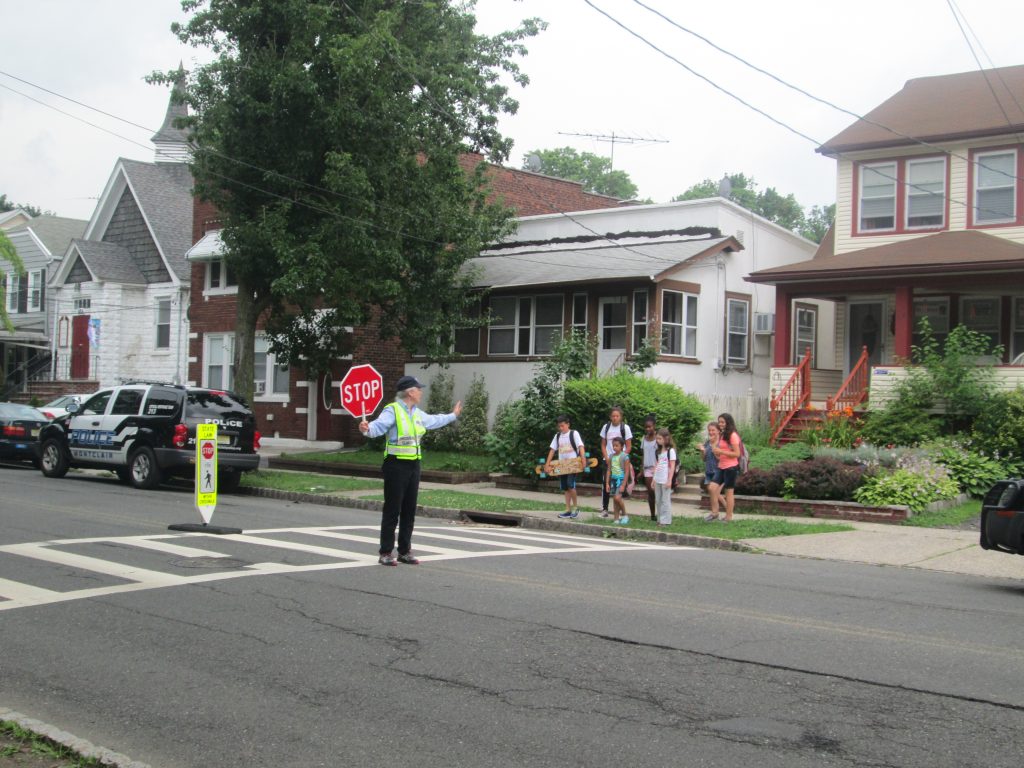
Two new Safe Routes to School Resources, How to Retain Crossing Guards: Strategies for Overcoming Shortages and Boosting Job Satisfaction and Voices from the Crosswalk: Insights from Focus Groups with School Crossing Guards, shine a light on New Jersey crossing guards’ experiences and needs and offer solutions for how municipalities, parents, students, and communities can best support them.
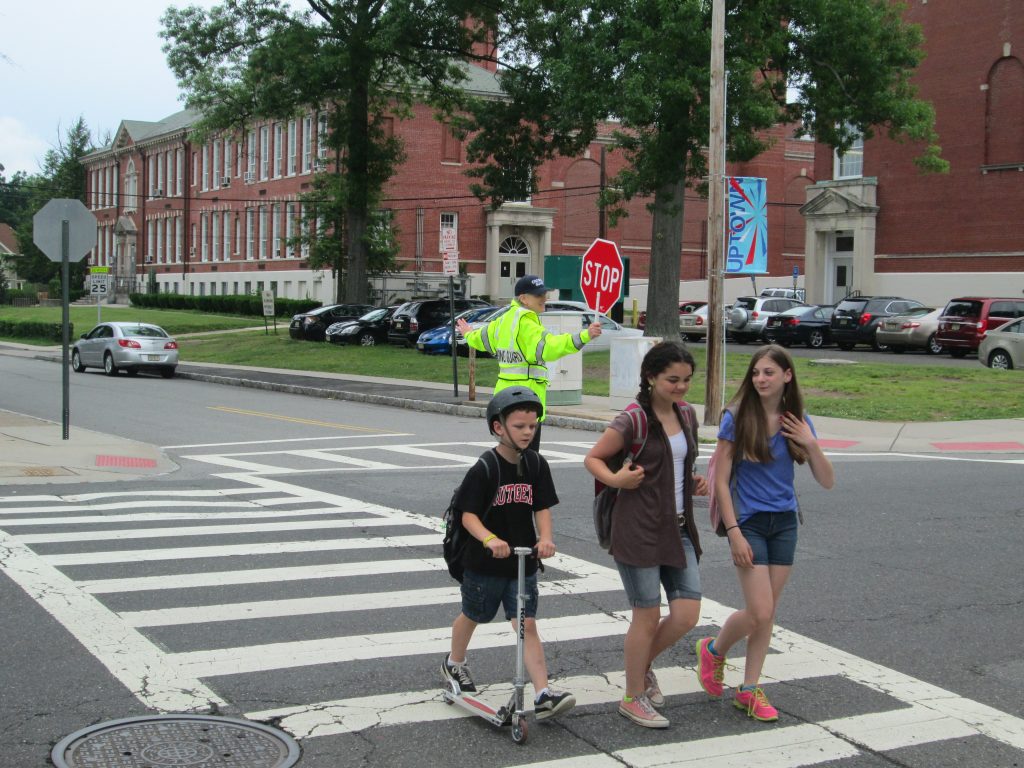
How to Retain Crossing Guards
How to Retain Crossing Guards: Strategies for Overcoming Shortages and Boosting Job Satisfaction highlights the national crossing guard shortage, caused in part by the seasonal and part-time nature of the job and its physical demands, which deter applicants. On top of this, low wages, inconsistent or insufficient support, safety concerns, and an overall lack of respect provide challenges in acquiring and retaining crossing guards. This report offers practical, actionable strategies municipalities can implement to sustain a satisfied, reliable crossing guard workforce, including enhanced communication, tailored training, incentives, and community recognition.
Voices From the Crosswalk
Voices from the Crosswalk: Insights from Focus Groups with School Crossing Guards highlights the lived experiences of New Jersey crossing guards on the job. Drawing on direct input from crossing guards, this report offers strategies to improve their experience. Crossing guards noted several concerns related to safety and respect, including being ignored by drivers, parents, teachers, and older students; speeding and distracted driving; heavy traffic; and verbal abuse. These experiences left an emotional impact on crossing guards, who felt invisible and underappreciated. Many crossing guards expressed a desire for respect and additional resources targeted at safe driving in their communities for those who pass by their posts.
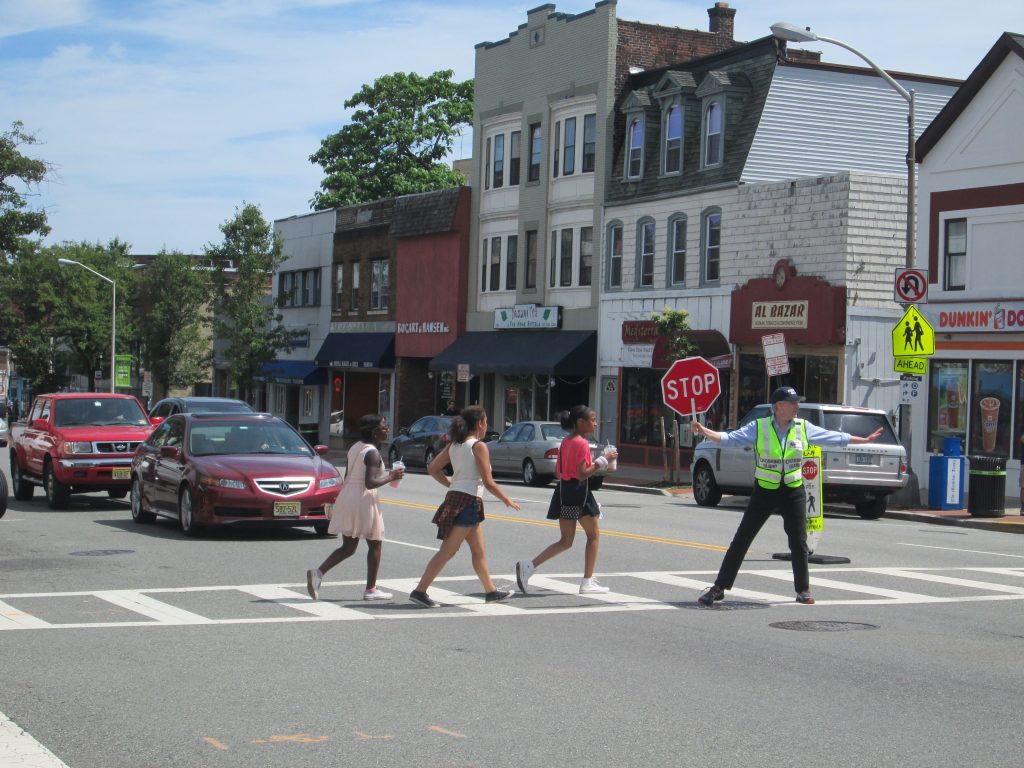
Bridging Insights into Action
These findings show that communities have meaningful opportunities to better support their crossing guards. When crossing guards feel acknowledged, respected, and connected to the school community, they are better equipped to do their jobs effectively. Together, these two reports offer a human-centered lens for understanding and strengthening the role of crossing guards as key contributors to school‑zone safety.
Crossing guards play a vital role in protecting students who walk and bike to school, and communities should work to ensure they receive the support and respect they need to succeed. By using these reports to better understand crossing‑guard experiences and challenges, community leaders can develop targeted strategies to address their concerns. When crossing guards are well-supported, school zones become safer, more walkable, and more welcoming, benefiting students, families, and the guards themselves.