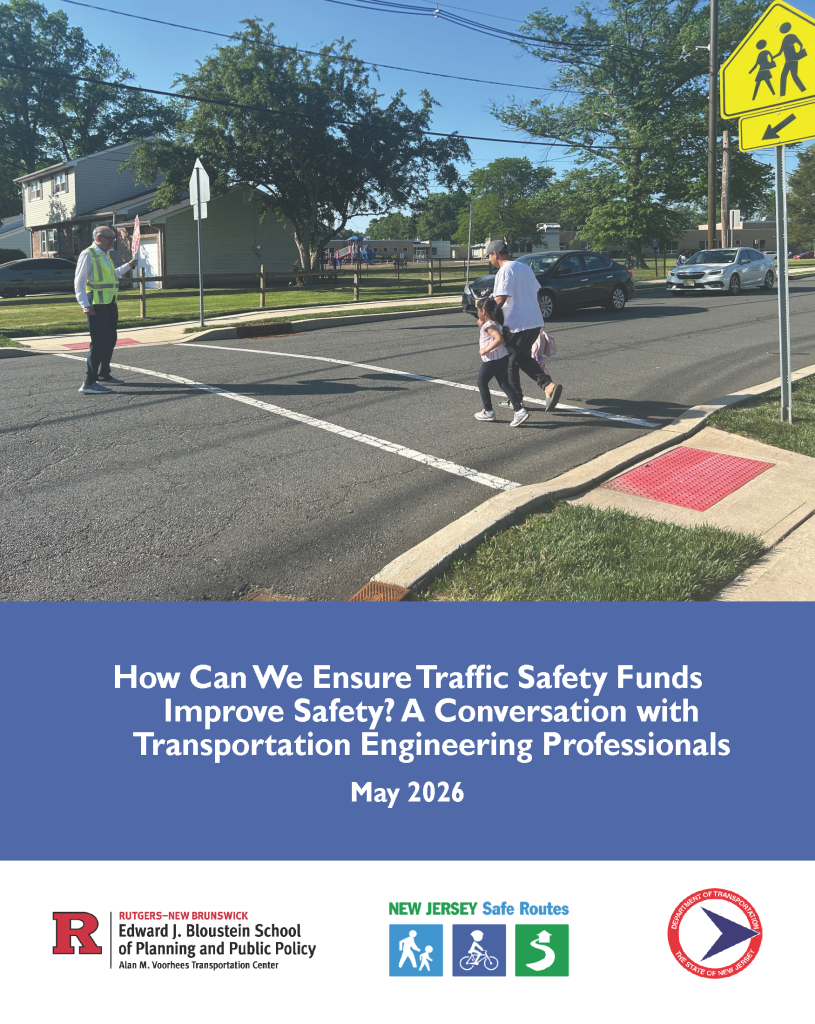
Traffic-related crashes are a leading cause of death among children in the United States. Federal funding for pedestrian and bicycle infrastructure has increased, yet fatal traffic injuries are on the rise. How can we ensure that funded projects achieve safety goals? A report, “How can we ensure Traffic Safety Funds Improve Safety? A Conversation with Transportation Engineering Professionals” examines implementation barriers and constraints of school zone safety improvements, from the perspective of transportation engineers.
Despite the increase of federal investments towards roadway safety projects, traffic fatalities have persistently risen, especially for schoolchildren. The report highlights how previous funding aided localities in making safety investments, but notes the continued disconnect between project goals and safety outcomes. When reviewing a sample of federally-funded school zone safety improvement projects, hat just 10% of the 48 school zone infrastructure projects had implemented some traffic calming.
Conversations with Engineers
Following initial analysis, the research team organized focus groups with transportation engineering professionals who are in positions of implementing change. The study team presented case studies of infrastructure projects to elicit expert opinion on how to focus on protecting vulnerable populations. While participants were knowledgeable of traffic calming measures and the Federal Highway Administration (FHWA)’s Proven Safety Countermeasures, there appeared to be a disconnect between theory and practice.
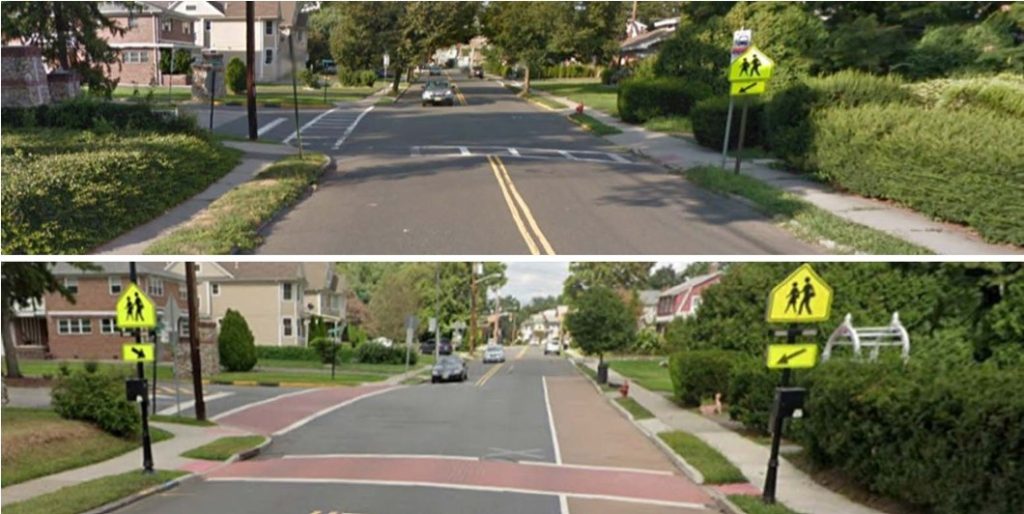
The sessions revealed multiple barriers, including socio-political, fiscal, educational, and organizational hurdles faced by engineers. Focus group participants reviewed a sample of case studies to evaluate risks for children before and after final safety improvements. They emphasized the importance of crossing guards within school zones, noting that they would not feel comfortable allowing children to cross alone at most intersections. Participants urged the need for increased collaboration with and engagement of communities, schools, and elected officials during all aspects of school zone infrastructure improvements.
Lessons Learned
The focus groups were an effective approach for exploring school zone safety improvements, exposing the nuance, the unknowns, and the intricacies of the design and implementation process from the perspective of Engineers. Moreover, the before-and-after case study format was an excellent method for discussing school zone safety, with participants eager to explore infrastructure designs that address vulnerable road users. The case study examples generated the most interaction among participants, who were keen to brainstorm potential infrastructure improvements during the “before” examples and excited to see the results in the “after” photos. The paper concludes with a discussion of some takeaways for policy, planning, and practice.
To explore the findings, read the full report here