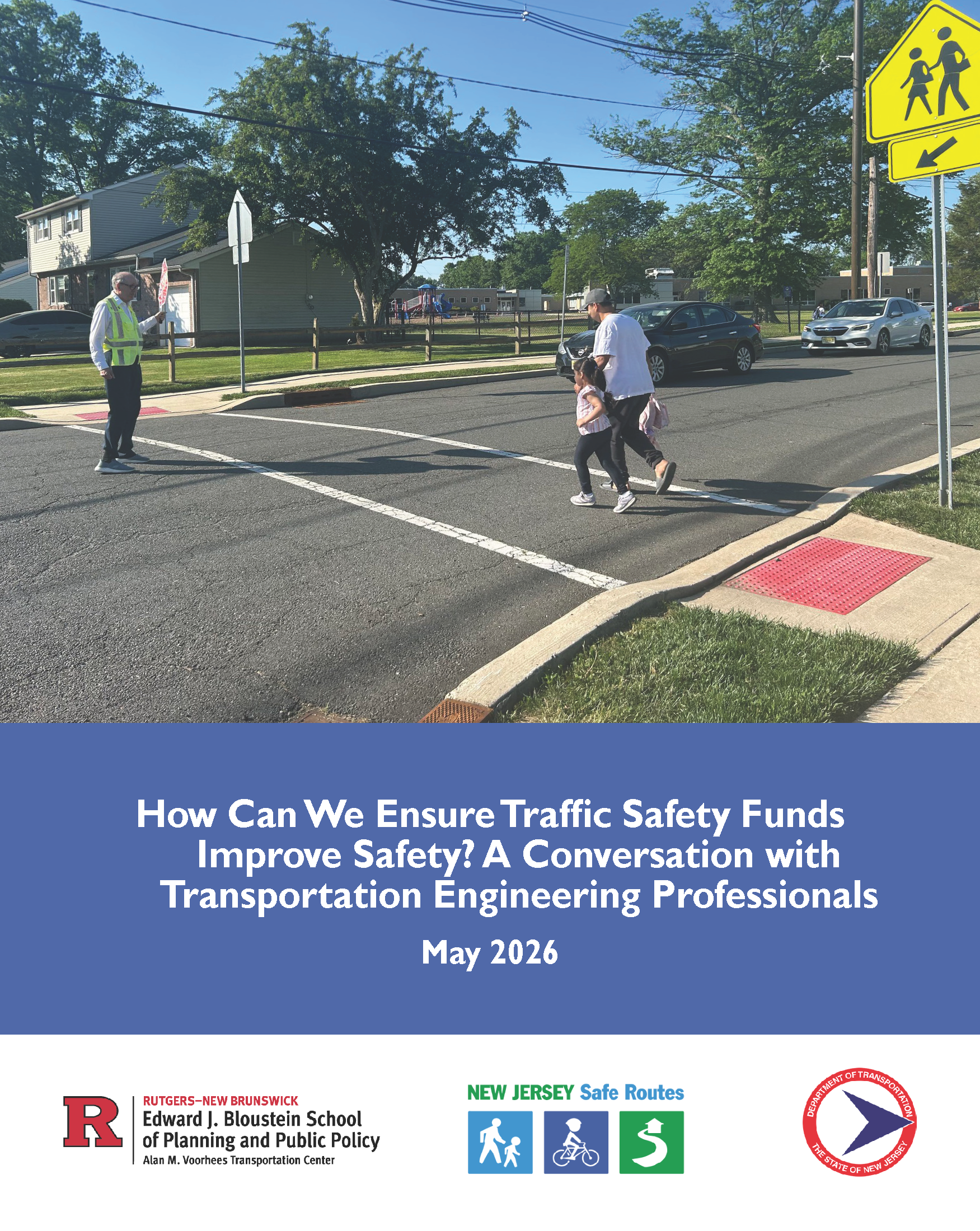
Traffic-related crashes are a leading cause of death among children in the United States. Improving children’s safety in school zones is an efficacious means of mitigating children’s injuries. Federal funding for pedestrian and bicycle infrastructure has increased, yet fatal traffic injuries are on the rise. How can we ensure that funded projects achieve safety goals? We analyzed projects that used federal transportation funds to see what sort of improvements were implemented. We found that just 10% of the 48 school zone infrastructure projects had implemented some traffic calming measure. With that, we sought to conduct focus groups with transportation engineering professionals who are in positions of implementing change. We presented case studies of infrastructure projects to elicit expert opinion on how to focus on protecting vulnerable populations most effectively during project development and implementation. While participants were knowledgeable of traffic calming measures and the Federal Highway Administration (FHWA)’s Proven Safety Countermeasures, there appeared to be a disconnect between theory and practice. Participants expressed that they often faced barriers to implementing safety countermeasures, whether political, structural, or financial. They emphasized the importance of crossing guards within school zones, noting that they would not feel comfortable allowing children to cross alone at most intersections. Participants urged the need for increased collaboration with and engagement of communities, schools, and elected officials during all aspects of school zone infrastructure improvements.
Read the full report: How Can We Ensure Traffic Safety Funds Improve Safety? A Conversation with Transportation Engineering Professionals